AI Book Cover Prompts That Pass KDP Review on the First Try
The exact AI image prompt patterns, trim-size templates, and bleed rules that get your KDP cover approved on the first upload — with 12 copy-paste prompts by genre.
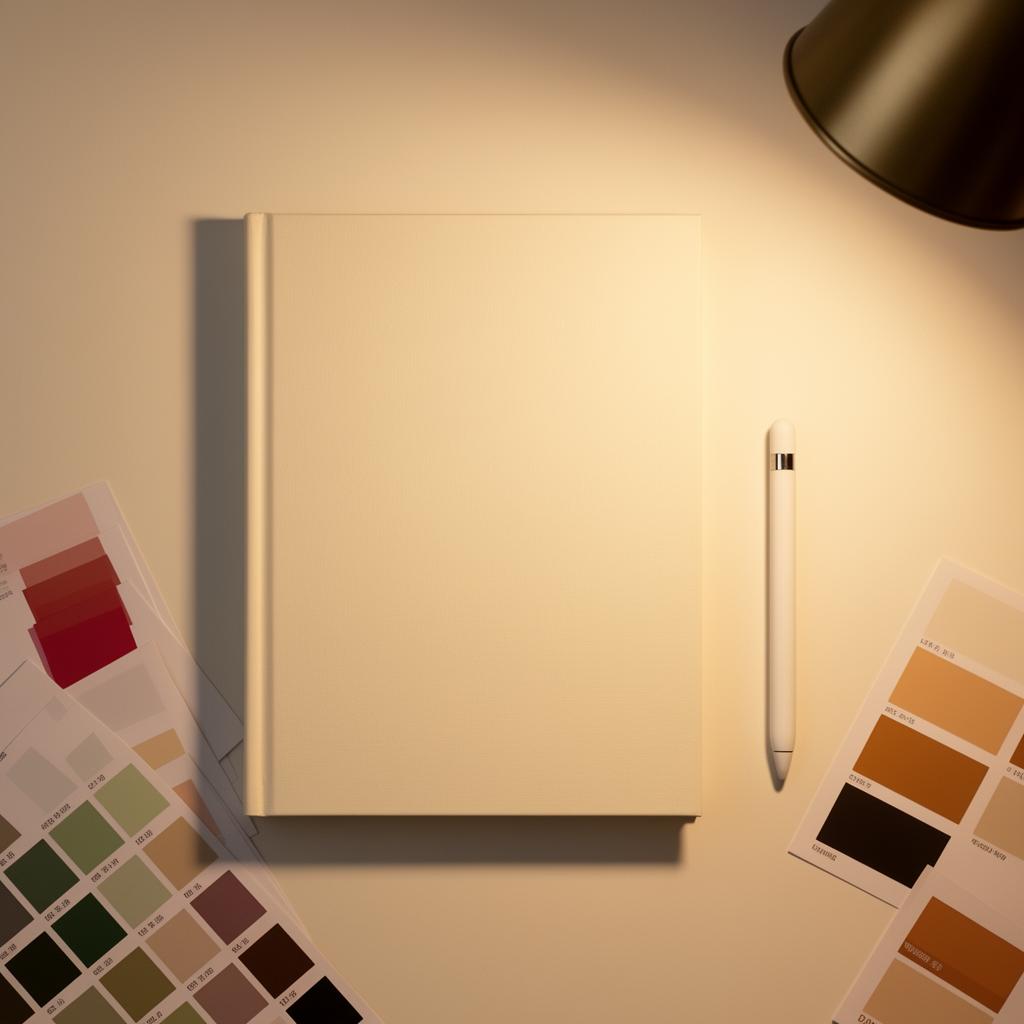
Roughly one in four KDP cover uploads gets rejected on the first try. The cause is almost never the artwork — it's bleed, DPI, embedded fonts, or a spine width that doesn't match the page count. The good news: with the right prompt structure and a correctly sized template, your AI-generated cover can pass KDP's print review the first time, every time.
The KDP cover specs that actually matter
- Bleed: 0.125" on every outer edge. Generate the image larger than the trim, then crop.
- DPI: 300 minimum. Most AI generators output 72 DPI by default — upscale before submitting.
- Format: Flat PDF or print-ready PDF/X-1a. PNGs get rejected.
- Spine width: page count ÷ 444 (white paper) or ÷ 426 (cream). Off by 0.05" and Amazon rejects.
- Safe text area: keep all type 0.25" inside the trim or it gets cut.
The prompt formula that works
Every cover prompt should follow this five-part structure: genre, composition, focal subject, mood / lighting, and typography reservation (a blank area where the title will go). Skip the typography slot and the AI will fill it with garbled fake text — the #1 reason AI covers look "AI-generated."
12 copy-paste prompts by genre
Cozy mystery
"Vintage seaside bakery storefront at dusk, soft warm window light, hand-painted sign, no text, illustration style, top third of image left blank with neutral sky for title placement, 6:9 aspect ratio."
Spicy romance
"Two silhouetted figures back to back against a stormy ocean sunset, dramatic rim lighting, painterly digital art, bottom 30% of frame reserved blank for typography, 6:9."
Cozy fantasy
"Mossy stone cottage built into a hillside, glowing windows at twilight, magical fireflies, Studio Ghibli style, top half reserved for title space, 6:9 cover composition."
Thriller
"Lone figure walking down empty rain-soaked city street, neon reflections, high contrast cinematic noir lighting, no text, large negative space at top for title, 6:9."
LitRPG / progression fantasy
"Armored warrior facing glowing portal in ancient ruins, dramatic god rays, semi-realistic digital painting, vertical composition with sky reserved for series title, 6:9."
Children's picture book (ages 3–7)
"Cheerful cartoon fox holding a balloon in a sunny meadow, simple shapes, bright primary colors, thick outlines, plenty of empty sky for title, 8.5:8.5 square composition."
Coloring book cover
"Bouquet of detailed line-art flowers and butterflies on cream background, black ink illustration, decorative border, large blank center oval for title text, 8.5:11."
Puzzle / activity book
"Playful illustrated grid of puzzle elements — pencils, magnifying glass, question marks — bold cartoon style, bright color blocks, top banner reserved blank for title, 8.5:11."
Journal / planner
"Minimalist abstract botanical pattern, muted sage and terracotta tones, hand-drawn linework, large centered rectangle reserved blank for title, 6:9."
Self-help / non-fiction
"Bold geometric shape composition on solid color background, modern Helvetica-adjacent style, top half reserved blank for title and subtitle, no text, 6:9."
Memoir
"Faded vintage Polaroid-style photograph of an empty kitchen table by a window, soft afternoon light, film grain, lower third reserved blank for title text, 6:9."
Sci-fi space opera
"Massive cracked planet hanging over a starfighter silhouette, deep purple and cyan nebula, cinematic poster art, generous upper space for title, 6:9."
The 4-step post-generation workflow
- Upscale to 300 DPI in Topaz Gigapixel or Photoshop (Image > Image Size, uncheck "Resample").
- Drop into KDP's cover template (Amazon provides a free PDF template for your exact trim + page count).
- Add real typography in Affinity Publisher or Canva — never let the AI hallucinate the title.
- Export as PDF/X-1a with all fonts embedded.
What gets you rejected
- White borders inside the bleed area (Amazon thinks it's a printing error).
- Text closer than 0.25" to the trim edge.
- Spine text on a book under 80 pages (KDP rejects all spine art under 80).
- Faces or fingers with extra digits — Amazon's manual reviewers flag obvious AI artifacts.
Bottom line
A good AI cover prompt does 70% of the work; the KDP template and proper typography do the other 30%. Reserve blank space in your prompt, upscale before uploading, and put real text on the cover yourself. Do that and your rejection rate drops to near zero — and your thumbnail starts converting like a traditionally designed cover.
Ready to put this into practice?
Start writing your KDP-ready book with AI — free, no credit card.
Start writing free